"If I had four men like Puran Appu, I would have freed the entire country from the English."

— Governor George Byng (7th Viscount Torrington)

With the surrender of the Kandyan Kingdom in 1815, the entire island of Ceylon fell under British rule for the first time. Colonial authorities transformed the landscape into vast commercial coffee, tea, and rubber plantations, seizing ancestral lands through sweeping legislation and reshaping the local social hierarchy. These radical economic shifts triggered fierce resistance—most famously the 1818 Uva-Wellassa Rising and the 1848 Matale Rebellion—where local leaders and peasants rose against colonial taxation and land loss. Over the decades, armed defiance gave way to a sophisticated constitutional struggle, as an emerging class of educated Ceylonese leaders and cultural revivalists laid the groundwork for sovereign self-rule.

The Dominion of Ceylon

1948

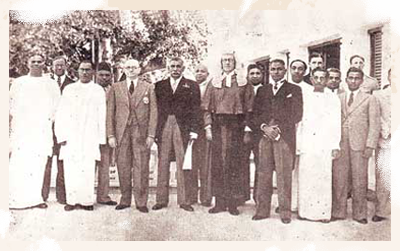
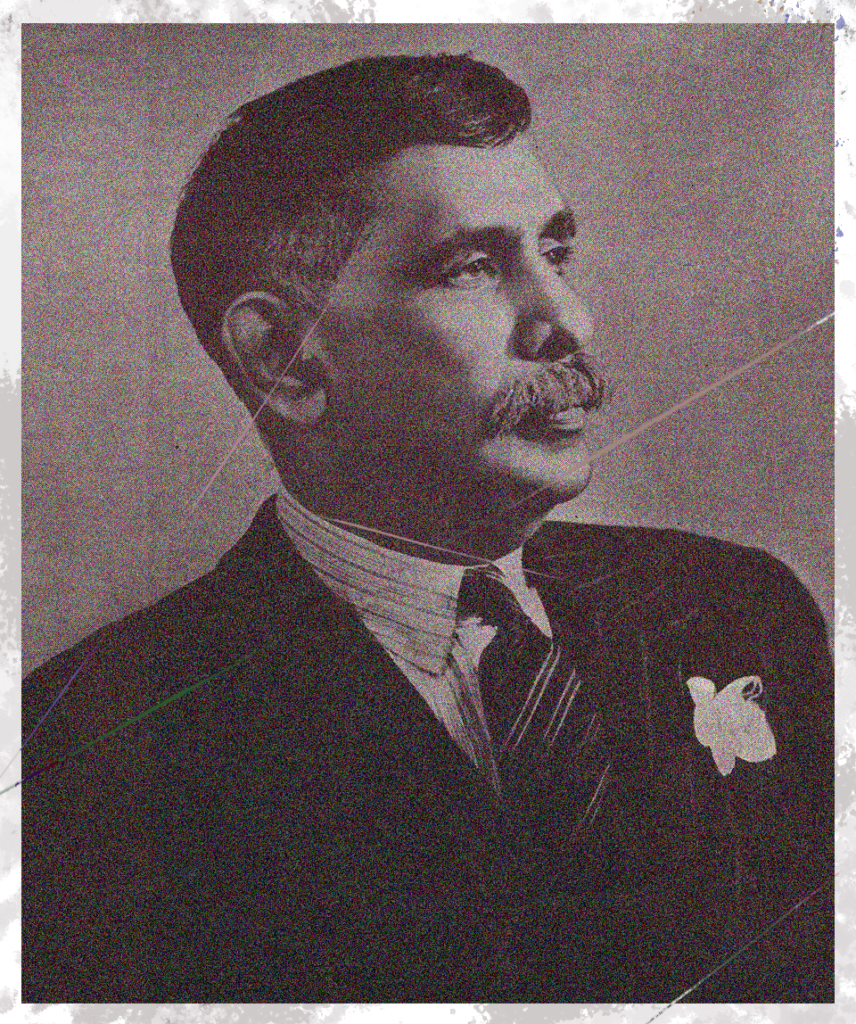
After over a century under British rule, Ceylon officially gained independence as a Dominion within the British Commonwealth. Power was handed over peacefully following negotiations led by D. S. Senanayake, who became Ceylon’s first Prime Minister under the United National Party (UNP) banner.

The new parliament was ceremonially opened by the Prime Minister, Mr. D.S. Senanayake, who then hoisted the Lion flag (Sinha Kodiya) after lowering the English flag on the 10th of February 1948. Thus, the 4th of February became the independence day of Sri Lanka.
The Dominion of Ceylon

1948

After over a century under British rule, Ceylon officially gained independence as a Dominion within the British Commonwealth. Power was handed over peacefully following negotiations led by D. S. Senanayake, who became Ceylon’s first Prime Minister under the United National Party (UNP) banner.
The new parliament was ceremonially opened by the Prime Minister, Mr. D.S. Senanayake, who then hoisted the Lion flag (Sinha Kodiya) after lowering the English flag on the 10th of February 1948. Thus, the 4th of February became the independence day of Sri Lanka.
The Dominion of Ceylon

1948

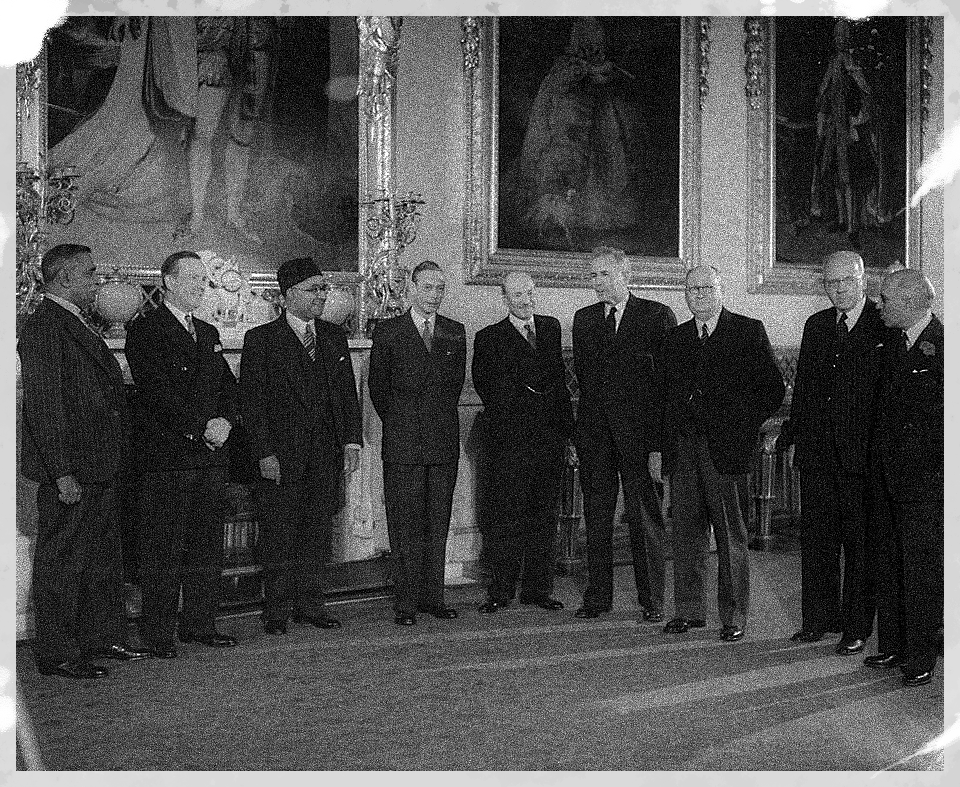
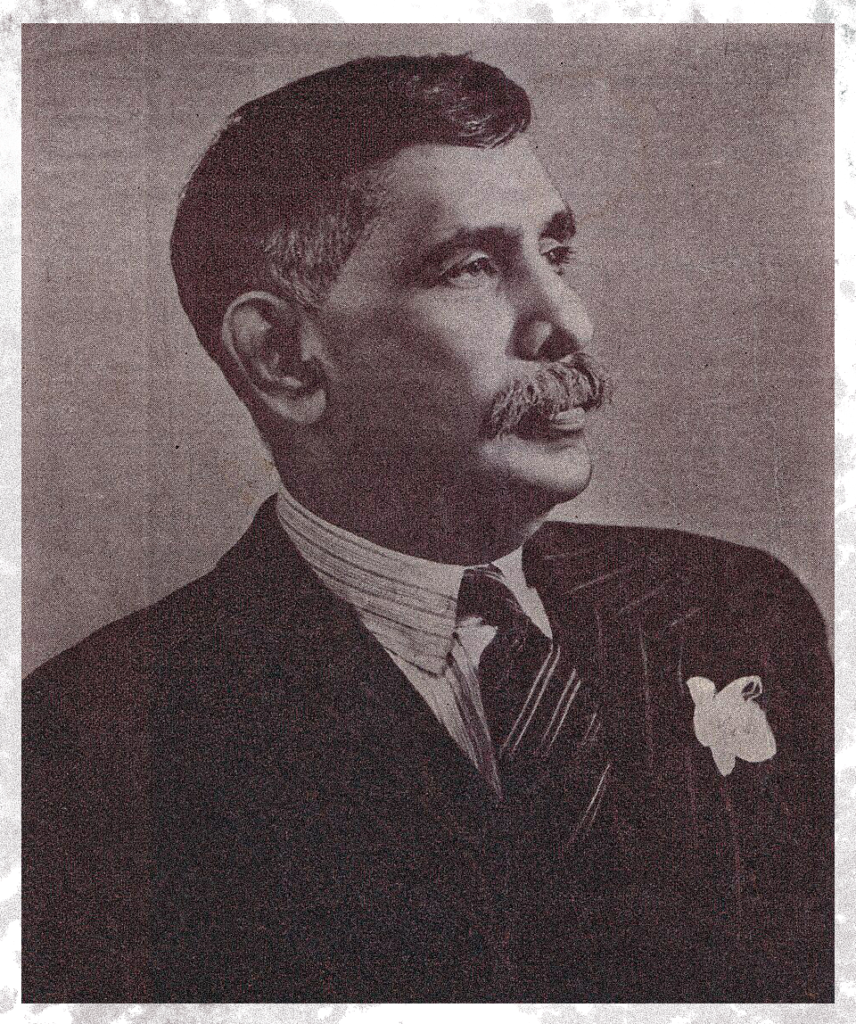
After over a century under British rule, Ceylon officially gained independence as a Dominion within the British Commonwealth. Power was handed over peacefully following negotiations led by D. S. Senanayake, who became Ceylon’s first Prime Minister under the United National Party (UNP) banner.
The new parliament was ceremonially opened by the Prime Minister, Mr. D.S. Senanayake, who then hoisted the Lion flag (Sinha Kodiya) after lowering the English flag on the 10th of February 1948. Thus, the 4th of February became the independence day of Sri Lanka.
"If I had four men like Puran Appu, I would have freed the entire country from the English."

— Governor George Byng (7th Viscount Torrington)

With the surrender of the Kandyan Kingdom in 1815, the entire island of Ceylon fell under British rule for the first time. Colonial authorities transformed the landscape into vast commercial coffee, tea, and rubber plantations, seizing ancestral lands through sweeping legislation and reshaping the local social hierarchy. These radical economic shifts triggered fierce resistance—most famously the 1818 Uva-Wellassa Rising and the 1848 Matale Rebellion—where local leaders and peasants rose against colonial taxation and land loss. Over the decades, armed defiance gave way to a sophisticated constitutional struggle, as an emerging class of educated Ceylonese leaders and cultural revivalists laid the groundwork for sovereign self-rule.